
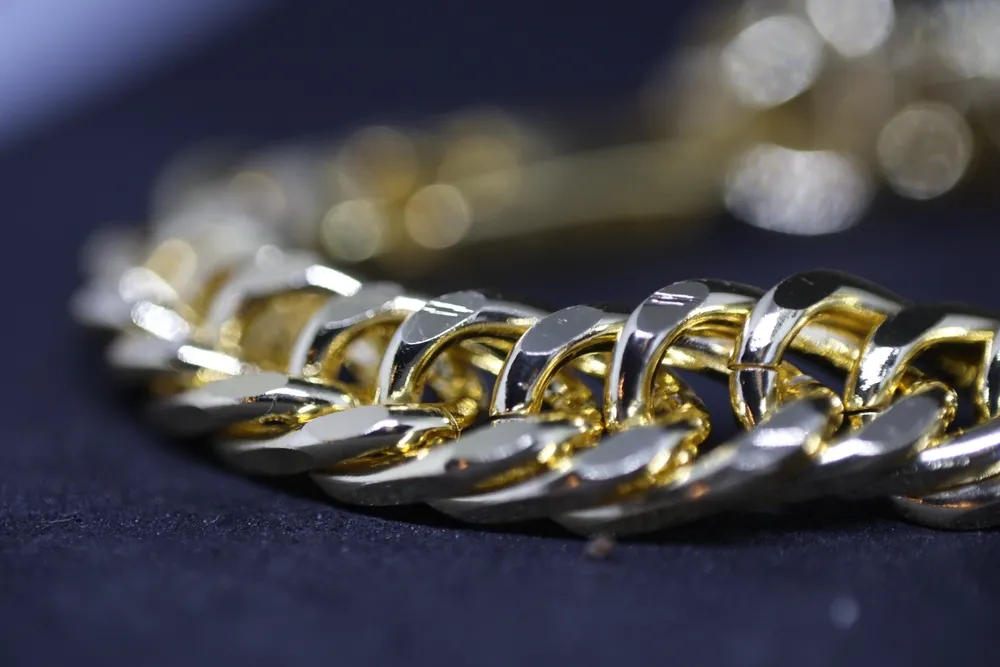
Gold jewelry can look similar at a glance, but not all gold jewelry carries the same refining value. For sellers, estate buyers, pawnbrokers, and jewelers, the difference comes down to one thing. How much recoverable gold is actually inside the piece.
At Elemetal, we look at gold through a refining lens. That means purity, weight, and process matter more than appearance. Solid karat gold usually has the strongest refining value. Gold-filled can have value in the right volume. Gold-plated usually does not have enough recoverable gold to make refining worthwhile.
This guide breaks down the differences in plain language, so you can better understand what is worth sending in and what usually is not. It also explains how Elemetal evaluates karat gold, gold-filled lots, and plated items when it comes to refining.
What “Refining Value” Really Means for Your Gold
Refining value is the amount a buyer or refiner can recover from the gold content in a piece. The basic formula is simple. Recoverable gold content, multiplied by the current spot price, then adjusted for processing and refining costs.
That is why karat, weight, and purity matter so much. A 14K ring weighs less in pure gold terms than a 18K ring of the same size. A heavy chain may have more total value than a small bracelet, even if both are made from the same karat. The more recoverable gold a lot contains, the more likely it is to have meaningful refining value.
This is also why plated items usually have little (if any) recoverable value. The gold layer is very thin, so the recoverable metal content is often too small to justify the cost of processing. Gold-filled sits in the middle. It contains more gold than plated jewelry, but typically only makes sense when collected in larger lots.
Solid (Karat) Gold: The Highest Refining Value
When most people say solid gold, they mean karat gold alloy, not pure 24K gold bars or plated jewelry. In everyday jewelry, the most common karats are 10K, 14K, and 18K. These pieces contain a known percentage of gold blended with other metals for strength and wearability.
Here is a simple reference for common karats.
| Karat | Approx. Gold Content | Common Use | Refining Value |
| 10K | 41.67% | Chains, class rings, common gold jewelry | Meaningful value |
| 14K | 58.33% | Rings, necklaces, earrings, other fine pieces | Significant value |
| 18K | 75.00% | Fine jewelry, designer, higher-end pieces | High value |
| 22K | 91.67% | High purity jewelry, bullion | Very high value |
| 24K | 99.99% | Bullion, some specialty jewelry | Highest value |
Solid gold jewelry is valuable even when it is broken, bent, single, or missing stones. A damaged ring, one earring, scrap chain, or mismatched lot can still hold meaningful refining value because the gold content is inside the metal itself. That is why Elemetal focuses heavily on karat scrap, whether it comes from a jewelry store, estate buyer, pawnbroker, or another commercial source.
In the U.S. market, 10K, 14K, and 18K are the bread and butter. These are the karats most sellers have on hand, and they are the ones that most often create reliable refining returns.
Gold-Filled Jewelry: Moderate Refining Value in the Right Quantities
Gold-filled jewelry is not the same as solid gold, but it is also not the same as plated jewelry. It is made by mechanically bonding a layer of karat gold to a base metal core. That outer layer is thicker than plating, and the total gold content is usually much higher than what you would find in a plated item.
Many gold-filled pieces are marked with fractions like 1/20 14K GF, which means the gold layer makes up about one twentieth of the piece by weight. In practice, many modern gold-filled items contain only a small percentage of pure gold overall, even though the surface looks rich and durable.
That is why gold-filled has some refining value, but usually only when there is enough volume to make processing efficient. Vintage eyeglass frames, mixed jewelry lots, watch components, and bulk estate material can sometimes be worth refining. One or two pieces usually are not enough. Pounds of material are more realistic than single consumer items.
The challenge is separation. A refiner still has to account for the base metal underneath the bonded gold layer, and that adds cost and complexity. For that reason, gold-filled is best viewed as a bulk lot material. It has real value, but separating these pieces from traditional karat jewelry is essential for maximizing value while processing.
Gold-Plated Items: Why They Usually Have Little to No Refining Value
Gold-plated jewelry gets its gold color from a very thin surface layer applied over a base metal like brass, copper, or nickel. That layer is created through electroplating, and the amount of gold on the item can be extremely small.
Unlike karat gold, plated jewelry usually does not have a meaningful percentage of recoverable gold by weight. The surface may look attractive, but the underlying metal is not precious metal content in any real refining sense. Once processing costs are included, most plated items are not cost effective to refine unless done in significant, industrial quantities over hundreds of pounds.
How to Tell If Your Piece Is Solid, Gold-Filled, or Gold-Plated
The fastest place to start is the stamp. Solid karat gold is often marked with 10K, 14K, 18K, 585, or 750. Those markings usually indicate karat gold content and help determine whether the item is karat gold jewelry.
Gold-filled items often carry marks like GF, 1/20 14K GF, or 1/20 10K GF. You may also see rolled gold, or RGP. These marks suggest a bonded layer over a base metal core.
Gold-plated items may be marked GP, HGE, or simply have no karat stamp at all. That does not always prove the item is plated, but it is a clue. Fashion jewelry without a purity mark is much less likely to carry meaningful refining value.
When the markings are unclear, professional testing is the best answer. Acid testing, XRF analysis, and other assay methods provide a more accurate reading than guesswork. If you have a mixed lot, sort the clearly marked karat gold first, then separate any gold-filled material, and set plated items aside for non-refining use.
What Elemetal Buys (and What Has the Most Refining Value)
Most items sold to Elemetal are karat gold scrap in common purities like 10K, 14K, and 18K. These lots have high recoverable gold content and are best suited to recover metals through traditional refining processes.
Gold-filled material can also have value, especially in larger lots from commercial sellers like jewelers, pawnbrokers, estate buyers, and watch or eyewear collections. The key is volume. The more material there is, the more likely the lot can be processed efficiently.
Gold-plated items are not currently accepted as part of Elemetal’s refining feedstock because of the low recoverable content in these materials. This keeps the focus on your business and the materials with the most scrap value.
If you are sorting material for refining, start with the karat mark, then the weight, then the mix of material in the lot. That gives you the clearest sense of what has value and what belongs in a different category. For businesses across United States, Elemetal is built to handle refining lots with speed, transparency, and the nation’s largest network of stores..