
A gold item can be weighed in grams, pennyweights, or troy ounces, but those units are not interchangeable without conversion. Knowing which measurement you are looking at is the first step toward comparing a quote, checking a listing, or preparing precious-metal material for evaluation.
Precious metals are measured using standardized units that help businesses compare material weights across different transactions. Understanding these measurements, including the difference between a troy ounce and an everyday ounce, can help you interpret pricing information and refining paperwork more accurately. However, weight alone does not determine the value of a precious-metal item. Metal purity, recoverable content, and transaction terms also influence the final valuation.
What is a Troy Ounce?
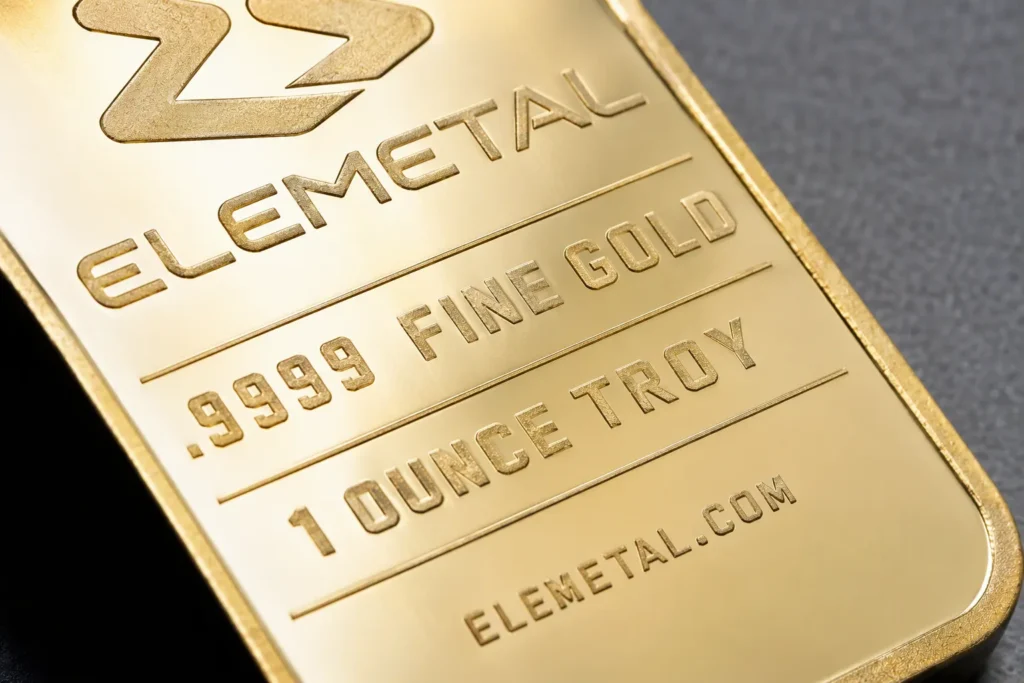
A troy ounce is the customary unit used to quote many precious-metal prices and bullion weights. One troy ounce equals 31.1035 grams (g) or 20 pennyweights (dwt).
A troy ounce is commonly used when weighing gold, silver, platinum, and palladium for bullion trading and other precious-metal transactions. You may encounter this unit when reviewing spot prices, comparing bullion products, or evaluating material for refining.
Three important facts to remember about troy ounces include:
- Standard conversion: One troy ounce equals 31.1035 grams or 20 pennyweights.
- Common applications: Bullion weights and precious-metal market prices are typically expressed in troy ounces.
- Unit verification: The abbreviation “oz” commonly refers to troy ounces in bullion and for precious metal transactions, but always confirm the stated unit on a listing, quote, or transaction document.
When comparing precious-metal weights, converting between units can help establish a consistent basis for evaluation. Elemetal’s Gold Karat Calculator can help with practical gold calculations, while understanding the stated unit ensures you interpret the results correctly.
Troy Ounce vs Standard Ounce
A standard ounce is usually an avoirdupois ounce, the unit used for many everyday goods. It weighs 28.349523125 grams, so it is lighter than a 31.1034768-gram troy ounce.
Although both units measure weight, they serve different purposes. Troy ounces are commonly used for precious metals, while avoirdupois ounces are used for many consumer products and shipping weights. Understanding the distinction is important when comparing bullion listings, reviewing transaction documents, or evaluating precious-metal material.
| Unit | Grams | Pound relationship |
| Troy ounce (ozt) | 31.1035 | 12 troy ounces = 1 troy pound |
| Avoirdupois ounce (oz) | 28.3495 | 16 ounces = 1 avoirdupois pound |
One important distinction is that a troy ounce is heavier than a standard ounce, but a troy pound is lighter than an avoirdupois pound. A troy pound contains 12 troy ounces, while an avoirdupois pound contains 16 standard ounces. Because the two systems use different ounce weights and different numbers of ounces per pound, their pounds are not equivalent.
When comparing precious-metal weights, always confirm which measurement system is being used. This helps prevent conversion errors when reviewing prices, assessing material, or comparing quotes.
A quick reference for Grams, Pennyweight (dwt), and Kilograms
Precious metals are often weighed in more than one unit, especially when jewelry scrap and bullion are discussed in the same transaction. A reliable conversion reference makes it easier to compare weights before using a calculator or requesting a quote.
Each measurement serves a practical purpose, from weighing jewelry scrap to documenting bullion and refining material. Knowing how these units relate to a troy ounce helps businesses interpret weights consistently across listings, quotes, and settlement paperwork.
| Unit | Relationship to a Troy Ounce | Common Context |
| Troy ounce (ozt) | 1 ozt = 31.1035 grams | Bullion weights and precious-metal pricing |
| Gram (g) | 1 gram = 0.03215 troy ounces | Jewelry scrap and smaller precious-metal items |
| Pennyweight (dwt) | 1 dwt = 0.05 troy ounce | Jewelry weighing and scrap transactions |
| Kilogram (kg) | 1 kilogram = 32.1507 troy ounces | Larger bullion bars and bulk material |
One pennyweight equals 1.555175 grams or 0.05 troy ounce. These relationships provide a consistent basis for converting weights between commonly used units. When reviewing a transaction, confirm the unit shown on the scale, quote, or receipt before comparing measurements or calculating an estimated value.
How Measurement Affects Precious-Metal Quotes and Settlement
Weight gives a transaction a common starting point, but weight alone does not establish the value of a precious-metal item. Metal content, applicable assay or purity information, and transaction terms also matter.
A quote or settlement typically depends on more than gross weight. Businesses must account for the amount of precious metal contained in the material, its purity, and the applicable processing and settlement terms. Converting the weight to a consistent unit is an important first step, but it doesn’t guarantee a specific payout.
For example, 10 grams of 24-karat-equivalent fine gold is approximately 0.3215 troy ounces. This conversion expresses the same weight in a different unit without assigning a dollar value to the material.
When preparing precious-metal material for evaluation, follow three steps:
- Confirm the unit. Identify whether the weight is listed in grams, pennyweights, or troy ounces.
- Convert when needed. Use a consistent unit to compare weights or review pricing information.
- Account for metal content and purity. Consider assay results, the precious-metal content of the material, and the applicable transaction terms.
Elemetal’s calculators can help businesses develop reference estimates for different materials. Use the Gold Karat Calculator, Sterling Silver Calculator, Platinum Scrap Calculator, or Palladium Scrap Calculator, depending on the metal being evaluated. These tools support preliminary calculations, but the final settlement depends on the material and transaction details.
Why Troy Ounces Remain the Market Benchmark
When a gold or silver market price is quoted per ounce, the reference is typically a troy ounce. That shared unit helps market participants compare metal weights consistently across many bullion and pricing contexts.
Troy ounces remain a standard measurement in precious-metal markets because they provide a consistent basis for quoting prices and describing bullion weights. Buyers, sellers, refiners, and dealers can use this shared unit to compare equivalent amounts of metal across transactions.
However, troy ounces are not the only units used in the industry. Grams are common for smaller items and jewelry scrap, pennyweights may appear in jewelry transactions, and some bullion markets use kilogram bars. The appropriate measurement depends on the material and the transaction.
When comparing prices, confirm that the quoted rate and the item’s weight use compatible units. It is also important to distinguish total weight from fine-metal content, since purity affects how much precious metal an item contains. Standardized measurements make comparisons easier, but they do not establish a transaction’s final value on their own.
Businesses can review Elemetal’s current gold spot price and silver spot price to see market pricing in context. Confirm the relevant metal, measurement unit, and transaction terms before using a quoted price to evaluate material.
A Brief History of the Troy Weight System
The troy weight system is traditionally associated with medieval trade in Troyes, France. Its older history is often linked to Roman weight concepts, although the modern value of the troy ounce rests on standardization rather than origin stories.
Troyes was an important center for medieval European commerce, including the Champagne Fairs, where merchants gathered to trade goods. Historical accounts connect the troy system to these trading networks, although its precise origins remain uncertain. The system later became established in precious-metal transactions, where consistent weight measurements were essential for comparing materials and conducting trade.
Over time, the troy weight system developed standardized relationships among grains, pennyweights, and troy ounces. Today, one troy ounce is equal to approximately 31.1035 grams, providing a consistent conversion between traditional precious-metal measurements and the metric system. The National Institute of Standards and Technology (NIST) provides conversion information to help businesses and consumers compare precious-metal weights accurately.
Although the system has historical roots, its modern usefulness comes from standardized units that support consistent measurement across precious-metal transactions.
Frequently Asked Questions about Precious-Metal Measurements
Precious-metal measurements can look familiar while representing different amounts of metal. These answers cover the conversions and distinctions readers most often need to verify.
How many grams are in a troy ounce?
One troy ounce equals 31.1035 grams. For quick reference, it is often rounded to 31.1 grams, but transaction documents should use the stated unit and applicable precision.
Is a troy ounce heavier than a standard ounce?
Yes. A troy ounce is about 9.7 percent heavier than a standard avoirdupois ounce, even though a troy pound contains only 12 troy ounces. An avoirdupois pound contains 16 standard ounces, making it heavier than a troy pound.
How many pennyweights are in a troy ounce?
There are 20 pennyweights in one troy ounce. One pennyweight, commonly written as dwt, equals 1.555175 grams and represents one-twentieth of a troy ounce.
Does the weight of an item equal its precious-metal value?
No. An item’s total weight is only one input in determining its precious-metal value, because purity, recoverable metal content, assay results, and transaction terms can change the result. Businesses can use Elemetal’s Gold Karat Calculator or the appropriate scrap metal calculator to develop a reference estimate.
Work with Elemetal
Understanding the measurement is a useful first step when evaluating gold, silver, platinum, or palladium material. When you are ready to estimate a lot or discuss refining options, Elemetal offers tools and commercial refining services for qualified businesses.
Use the appropriate precious-metal calculator to develop a reference estimate, or explore Elemetal’s precious metals refining services to learn more about its refining capabilities and settlement options. Understanding your material’s weight, metal content, and applicable transaction terms can help you prepare for a more informed conversation about your refining needs.